
Gentle Silicone Cupping for Scar and Tissue Mobility: What You Need to Know

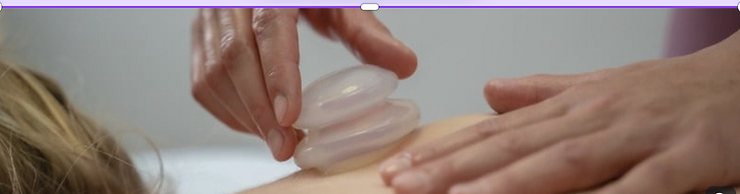
Cupping therapy is a technique that uses suction to mobilize skin and underlying tissues. When performed with soft silicone cups in combination with oil and gentle skin lifting and movement, it functions as a form of negative-pressure tissue mobilization. This approach is designed to improve tissue glide, enhance superficial circulation, and increase the pliability of scar tissue without causing damage.
What Is Negative-Pressure Tissue Mobilization?
Negative-pressure tissue mobilization refers to the controlled application of suction to lift and mobilize tissue. Unlike traditional static cupping, this method emphasizes:
Low suction using flexible silicone cups
Continuous movement of the cup across the skin
Gentle lifting or “tenting” of the tissue
Focus on tissue comfort and safety
This technique creates mechanical stimulation of the skin and fascia, promoting tissue mobility and comfort while minimizing risk of bruising or trauma.
How This Differs from Cupping for Muscle Pain
Massage therapists often use cupping for muscle pain or tension. Key differences include:
Higher suction levels are commonly used for deeper muscle release, which can cause bruising or redness.
Static or longer-duration cups are applied to target myofascial trigger points.
The focus is on muscle relaxation and pain relief rather than scar mobility.
Less emphasis is placed on lymphatic safety or delicate tissue management.
In contrast, negative-pressure tissue mobilization for scars and fibrosis uses very low suction, constant movement, and is performed with careful attention to tissue sensitivity. The goal is tissue glide, scar pliability, and comfort, not deep muscle release.
Application in Lymphedema Therapy
In a lymphedema therapy context, a trained therapist may use gentle silicone cups to:
Improve tissue mobility around surgical scars or areas of fibrosis
Reduce restrictions that could impede superficial lymphatic flow
Prepare tissue for lymphatic drainage techniques
Support overall tissue comfort and range of motion
These applications are always integrated with a comprehensive lymphedema management plan, including manual lymphatic drainage, compression, and exercise. The cups are used selectively, never on actively swollen limbs, and always with attention to tissue sensitivity and patient safety.
Special Considerations for Radiation Fibrosis
Tissue affected by radiation therapy can be fragile, sensitive, and prone to injury. Extra caution is required:
Only very low suction is used
Treatment is brief and targeted
Tissue must be fully healed
Only performed by clinicians experienced with radiation-affected areas
What to Expect
Clients may feel gentle pulling, light stretch, or slight burning sensation or warmth in the treated area. Sharp pain or discomfort should be avoided, and any adverse sensations should be reported immediately.
Safety Guidelines
Negative-pressure tissue mobilization should only be performed by trained professionals
Avoid areas with fragile, inflamed, or compromised skin
Do not apply to areas with active swelling
Technique is always integrated into a broader tissue management plan
Aftercare
After cupping, you may be advised to:
Perform gentle lymphatic self-care
Wear any recommended compression garments
Drink water to support tissue hydration
Temporary mild redness is normal and typically fades quickly.
Safety Notes
Performed only by trained clinicians
Not taught as a self-treatment
Avoided over fragile, inflamed, or compromised skin
Not used on areas with active swelling or infection
Note: Negative-pressure tissue mobilization is intended as a supportive intervention for tissue mobility and comfort. It is not a standalone treatment for lymphedema or other medical conditions. This technique offers a safe and evidence-aligned method for improving tissue mobility in scarred or fibrotic areas, combining the principles of cupping with modern understanding of tissue mechanics.
Always consult with your clinician if you have questions about whether this technique is appropriate for you. Your comfort and safety are priority.


Comments